 Reviews



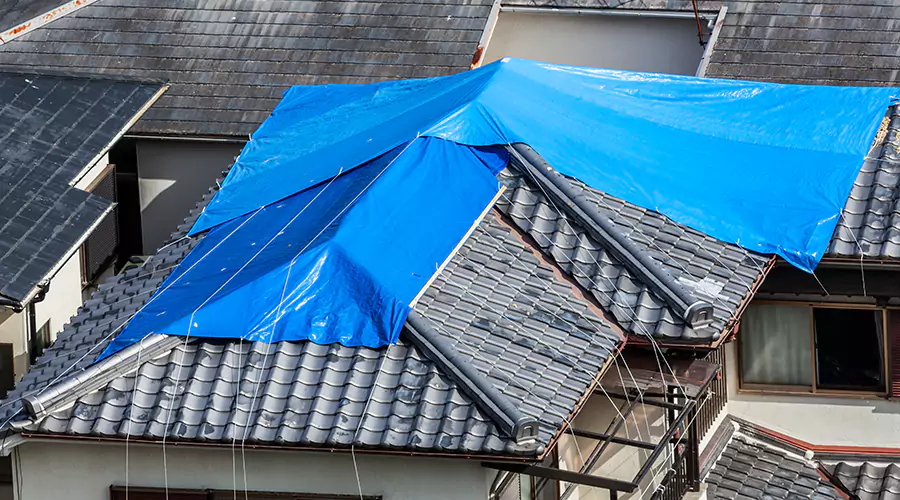
Emergency roof tarping is a temporary protective service used to cover damaged areas of a roof after sudden storm damage, leaks, fallen branches, or other roofing emergencies. The tarp helps stop rainwater, debris, and moisture from entering the home until permanent roof repairs can be completed.
A roof tarp is not a permanent roofing solution or a roof waterproofing method. It is a short-term protection method that helps reduce interior water damage, mold risk, ceiling stains, insulation damage, and structural problems. When roof damage exposes your home to the weather, emergency roof tarping can protect the property while you schedule repairs or work through an insurance claim.
For homeowners, knowing when roof tarping is needed can prevent a small roof problem from turning into a much larger repair.
Quick Answer: What Is Emergency Roof Tarping?
Emergency roof tarping means placing a heavy-duty waterproof tarp over damaged roof sections to protect the home from more water intrusion. It is commonly used after roof damage caused by wind, hail, storms, fallen trees, fire, or sudden leaks.
Emergency tarping may be needed when:
- Shingles are missing after high winds
- A tree branch damages the roof
- Water is leaking into the attic or ceiling
- Hail damage weakens roofing materials
- Flashing or roof vents are damaged
- A storm exposes the roof deck
- Roof repairs cannot be completed right away
- An insurance inspection is still pending
The goal is to stabilize the home and limit further damage until a roofing contractor can complete permanent repairs.
Why Emergency Roof Tarping Matters?
Roof damage can get worse quickly when rain or moisture enters the home. Even a small opening in the roof can allow water to reach insulation, drywall, wood framing, electrical areas, and personal belongings.
Emergency roof tarping helps create a temporary barrier against the weather. This can reduce the risk of additional damage while giving homeowners time to plan the next steps.
Tarping is especially important when more rain is expected. If the damaged roof stays exposed, water can continue entering the home and increase repair costs. A temporary tarp can help protect the home before a full roof repair or replacement is scheduled.
When Is Emergency Roof Tarping Needed?
Emergency roof tarping is needed when the roof has active or likely water entry. If the roof damage creates an opening, weak area, or exposed section, waiting can lead to more damage inside the home.
After Storm Damage
High winds can lift shingles, remove roofing materials, loosen flashing, and expose underlayment. If storm damage leaves part of the roof open, tarping can help prevent rain from entering the home.
After Hail Damage
Hail can crack shingles, bruise roofing materials, dent vents, and knock off protective granules. Not every hail-damaged roof needs immediate tarping, but severe hail damage with exposed areas may require temporary protection.
After a Tree Falls on the Roof
Fallen trees or branches can create holes, broken decking, damaged shingles, and structural openings. Emergency tarping is often needed right away after this type of impact.
During an Active Roof Leak
If water is dripping from the ceiling, entering the attic, or staining walls, the roof may need temporary coverage. A tarp can help slow or stop the leak until the source is repaired.
Before Insurance Inspection or Claim Approval
If you are filing an insurance claim, permanent repairs may take time. Emergency roof tarping can protect the home while the claim is reviewed. Homeowners should take photos before and after tarping and keep receipts for the work.
Signs You May Need Roof Tarping
Some roof problems are obvious, while others are easier to miss. After a major storm, walk around your home safely and look for signs of damage from the ground.
You may need emergency roof tarping if you notice:
- Missing shingles
- Loose shingles hanging from the roof
- A visible hole in the roof
- Fallen branches on the roof
- Water stains on ceilings
- Dripping water indoors
- Wet attic insulation
- Damaged roof vents
- Bent or missing flashing
- Roofing materials on the ground
If you are not sure whether the roof is exposed, schedule a professional inspection as soon as possible.
Should Homeowners Tarp a Roof Themselves?
Roof tarping can be dangerous. A damaged roof may have weak areas, sharp debris, slippery surfaces, and unstable materials. Climbing on a roof after a storm increases the risk of falls and injuries.
Homeowners should avoid getting on the roof, especially during rain, wind, or poor lighting. A professional roofer has the tools, safety equipment, and experience needed to place the tarp properly.
A poorly installed tarp may blow away, trap water, damage shingles, or fail to stop leaks. Professional installation gives the home better temporary protection and creates cleaner documentation for insurance purposes.
What Happens During Emergency Roof Tarping?
A roofing contractor first checks the damaged area and identifies where water may be entering. The contractor may remove loose debris, measure the affected section, and place a heavy-duty tarp over the damaged area.
The tarp is usually secured with boards, fasteners, or other methods designed to hold it in place. The goal is to direct water away from the exposed area and prevent moisture from reaching the inside of the home.
A proper tarping service may include:
- Roof damage inspection
- Photos of visible damage
- Temporary tarp placement
- Secure fastening to reduce wind movement
- Basic leak control
- Notes for repair planning
- Recommendations for next steps
Emergency roof tarping should always be followed by a full roof assessment and permanent repair plan.
How Long Can a Roof Tarp Stay On?
A roof tarp is temporary and should not stay on longer than necessary. The exact time depends on weather, tarp quality, roof slope, damage severity, and how well the tarp was secured.
In general, homeowners should schedule permanent repairs as soon as possible. A tarp can loosen, tear, shift, or collect water over time. If another storm comes through, the tarp may need to be checked or replaced.
Leaving a tarp on too long can create new problems, including hidden moisture, trapped debris, and further roof wear.
What to Do Before and After Roof Tarping?
Good documentation is important, especially if insurance is involved. Before the tarp is installed, take clear photos of the roof damage from a safe location. Also photograph interior leaks, ceiling stains, fallen branches, and damaged materials.
After tarping, keep all receipts, inspection notes, and contractor recommendations. These records may help support your insurance claim and show that you took reasonable steps to prevent further damage.
Emergency Roof Tarping Checklist
- Take photos before any temporary work
- Record the date and cause of the damage
- Check ceilings, walls, and attic areas for leaks
- Keep damaged materials if safe to do so
- Call a professional roofer for inspection
- Install temporary protection before more rain arrives
- Save receipts for emergency tarping
- Contact your insurance company if filing a claim
- Schedule permanent roof repairs quickly
This simple checklist can help homeowners stay organized during a stressful roofing emergency.
Does Insurance Cover Emergency Roof Tarping?
Insurance may cover emergency roof tarping if the roof damage was caused by a covered event. Many policies expect homeowners to take reasonable steps to prevent further damage after a loss. Temporary tarping can be part of that damage-prevention effort.
Coverage depends on your policy, deductible, damage cause, and claim approval. Always save receipts, photos, and contractor documentation. Your insurance company will decide whether tarping costs qualify under your claim.
Final Thoughts
Emergency roof tarping is a temporary way to protect your home after sudden roof damage. It is needed when missing shingles, storm damage, fallen branches, roof leaks, or exposed roof areas create a risk of water entering the home.
A roof tarp gives homeowners time to schedule repairs, protect the interior, and work through the insurance process. It should not replace permanent roof repair, but it can reduce further damage when used quickly and correctly.
If your roof is leaking or exposed after a storm, act quickly. Document the damage, avoid climbing on the roof, call a professional roofer, and schedule permanent repairs as soon as possible.